


Eco-Friendly Urban Living: Reducing Your Carbon Footprint Through Sustainable Home Upgrades
Eco-Friendly Urban Living: Reducing Your Carbon Footprint Through Sustainable Home Upgrades
Living in a fast-paced city like Toronto offers incredible opportunities, but it also presents unique challenges for those trying to live a sustainable lifestyle. Between navigating busy streets and managing energy costs in older buildings, many urban dwellers are looking for ways to minimize their environmental impact. One of the most effective ways to start this journey is by looking at your living space. Whether you own a house or a condo, investing in a professional skylight replacement can drastically improve your home’s energy efficiency while flooding your interior with beautiful, natural light. By combining smart home upgrades with eco-friendly transportation choices, you can create a lifestyle that is both comfortable and kind to the planet.
The concept of eco-friendly urban living is more than just a trend; it is a necessary shift in how we interact with our environment. In a city where concrete often outweighs greenery, bringing sustainable practices into our homes helps balance the scales. This transition does not have to happen overnight. Small, intentional changes to your infrastructure and daily habits can lead to a significant reduction in your carbon footprint over time. From the way you commute to work to the way you light your living room, every decision plays a role in the bigger picture of urban sustainability.
In this guide, we will explore several key areas where you can make a difference. We will look at how modernizing your home’s features can save you money and energy, and how choosing shared mobility options like bikes can transform your city experience. By the end of this article, you will have a clear roadmap for turning your urban dwelling into a beacon of sustainability.
Maximizing Natural Light and Energy Efficiency
One of the biggest energy drains in any urban home is artificial lighting and temperature control. Many city homes are built close together, which can sometimes result in dark interiors that require lamps to be on all day. This is where high-quality roof windows and skylights come into play. By installing or repairing these features, you can significantly reduce your reliance on electricity. Sunlight is a free, renewable resource that not only brightens your mood but also helps heat your home naturally during the colder months.
If you are considering these upgrades, it is essential to work with experts who understand the local climate and architectural styles. We highly recommend reaching out to Toronto Skylight Installers, skylight repairs & replacement. They specialize in ensuring that your home is properly sealed and optimized for light. A poorly maintained skylight can lead to drafts or leaks, which actually increases your energy bills. By ensuring your installations are top-notch, you keep the heat in during the winter and the cool air in during the summer.
Furthermore, modern skylight technology often includes UV-resistant coatings and high-performance glazing. This means you get all the benefits of the sun without the harmful rays that can fade your furniture or overheat your room. It is a win-win situation for both your wallet and the environment. When your home is filled with natural light, you will find yourself reaching for the light switch much less often, leading to a noticeable drop in your monthly utility costs.
The Role of Bike-Sharing in Sustainable Commuting
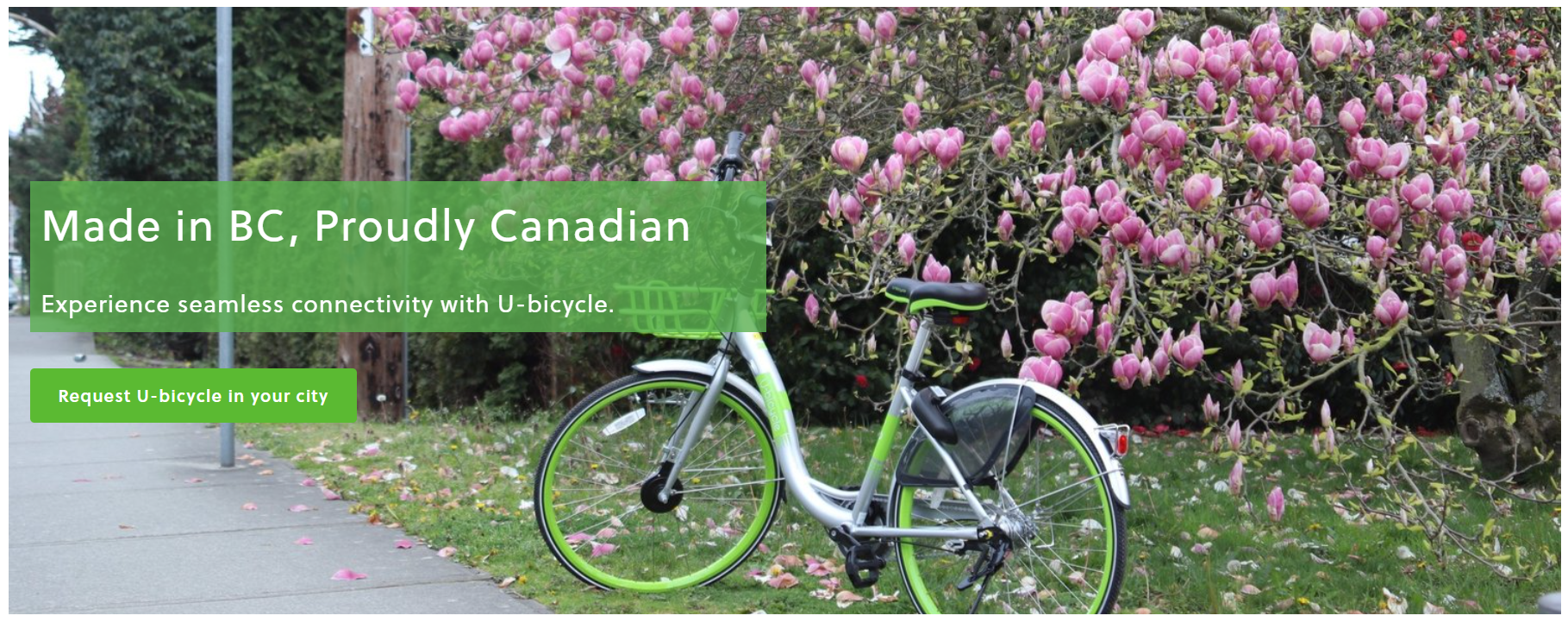
Sustainable living does not stop at your front door. The way you move through the city is just as important as how you maintain your home. Urban centers are increasingly embracing bike-sharing programs as a primary mode of transportation. These programs provide an affordable and flexible way to get around without the carbon emissions associated with cars or the congestion of public transit. For many city dwellers, a bike-share station is just a short walk away, making it easier than ever to choose two wheels over four.
Choosing to cycle instead of drive has a massive impact on your personal carbon footprint. It reduces noise pollution, improves air quality, and helps decrease the demand for parking spaces, which can then be converted into green spaces. Additionally, cycling is a fantastic way to stay active. When you integrate bike-sharing into your daily commute, you are not just helping the planet; you are also investing in your own physical and mental health. The fresh air and movement can be a great way to de-stress after a long day in the office.
Moreover, bike-sharing solutions are incredibly cost-effective. You don’t have to worry about the maintenance, storage, or theft risks associated with owning a high-end bicycle. Most urban bike-share systems are designed to be “smart,” allowing you to track your rides and find available bikes through an app. This convenience makes it a seamless part of a modern, eco-friendly lifestyle. When you combine a light-filled, energy-efficient home with a cycling-based commute, you are well on your way to mastering urban sustainability.
Improving Insulation and Sealing the Envelope
While skylights and windows bring in the light, the rest of your home’s “envelope” needs to be just as efficient. Insulation is often the unsung hero of a sustainable home. In many older urban houses, heat escapes through thin walls, attics, and gaps around doors. By upgrading your insulation, you create a thermal barrier that keeps your living space at a consistent temperature. This reduces the workload on your furnace and air conditioner, which are typically the largest consumers of energy in a household.
Sealing air leaks is another simple yet effective upgrade. Small cracks around window frames or baseboards might seem minor, but collectively, they can be like leaving a window open all year round. Using weatherstripping and caulk to seal these gaps is an affordable DIY project that pays for itself in energy savings almost immediately. When your home is airtight, your HVAC system doesn’t have to work overtime, which extends the life of your equipment and reduces waste.
If you are doing a larger renovation, consider sustainable insulation materials like recycled denim, cellulose, or sheep’s wool. These options are much more environmentally friendly than traditional fiberglass and offer excellent thermal performance. A well-insulated home is not only more eco-friendly but also much quieter, which is a huge benefit in a noisy city environment. It creates a peaceful sanctuary where you can escape the hustle and bustle of the streets below.
Smart Home Technology for Resource Management
We live in an era where technology can help us be better stewards of the environment. Smart home devices allow you to monitor and control your resource consumption with incredible precision. For instance, a smart thermostat learns your schedule and adjusts the temperature automatically when you are away. This ensures that you aren’t heating or cooling an empty house, which is a common source of energy waste for busy urban professionals.
Smart lighting systems are another great addition. You can program your lights to turn off when a room is vacant or dim them based on the amount of natural light coming in through your skylights. Many of these systems can be controlled via your smartphone, giving you the power to manage your home’s energy use from anywhere. This level of control helps you identify patterns in your consumption and find new ways to save.
Beyond energy, smart water monitors can detect leaks before they become major problems. In a city where water rates are constantly rising, catching a dripping pipe early can save thousands of gallons of water and prevent costly damage to your property. By integrating these technologies, you turn your home into an intelligent system that actively works to reduce its environmental impact. It is a modern approach to living that aligns perfectly with the goals of a sustainable city.
Water Conservation and Urban Gardening
Water is a precious resource, and urban living often leads to its overconsumption. However, there are many upgrades you can make to your bathroom and kitchen to help. Installing low-flow showerheads and faucets can reduce your water usage by up to 30% without sacrificing water pressure. Similarly, dual-flush toilets allow you to choose a lower volume of water for liquid waste, which adds up to significant savings over the course of a year.
For those with a balcony, rooftop, or small backyard, urban gardening is a wonderful way to contribute to local biodiversity. Even a few pots of herbs or vegetables can reduce your “food miles” and provide you with fresh, organic produce. Plants also help cool the air through transpiration and can improve the air quality around your home. If you have the space, installing a rain barrel to collect runoff from your roof is a great way to water your plants for free.
Composting is another practice that is becoming easier for city dwellers. Many cities now offer green bin programs, but you can also use small indoor composters that turn food scraps into nutrient-rich soil for your balcony garden. By diverting organic waste from landfills, you reduce methane emissions and complete the cycle of sustainability right in your own kitchen. These small acts of conservation make a big difference when adopted by thousands of people across the city.
Conclusion: Building a Brighter, Greener Future
Reducing your carbon footprint in the city is a journey of a thousand small steps. By focusing on sustainable home upgrades, you create a foundation for a lifestyle that values efficiency and environmental responsibility. From the moment you wake up in a room filled with natural light to the time you pedal home on a shared bike, your choices contribute to a healthier planet. These upgrades are not just about “going green”; they are about creating a higher quality of life for yourself and your community.
If you are ready to take the next step in your sustainable living journey, don’t forget the importance of professional help. For all your natural lighting needs, we highly recommend visiting Toronto Skylight Installers, skylight repairs & replacement. Their expertise in skylight replacement and maintenance will ensure your home is as energy-efficient as possible. Whether you are fixing an old leak or installing a brand-new roof window, their team can help you brighten your home while lowering your environmental impact. Let’s work together to make our urban spaces brighter, cleaner, and more sustainable for generations to come.